Blog
Acetate vs. Titanium vs. TR90: Which Frame Material Is Best for You?

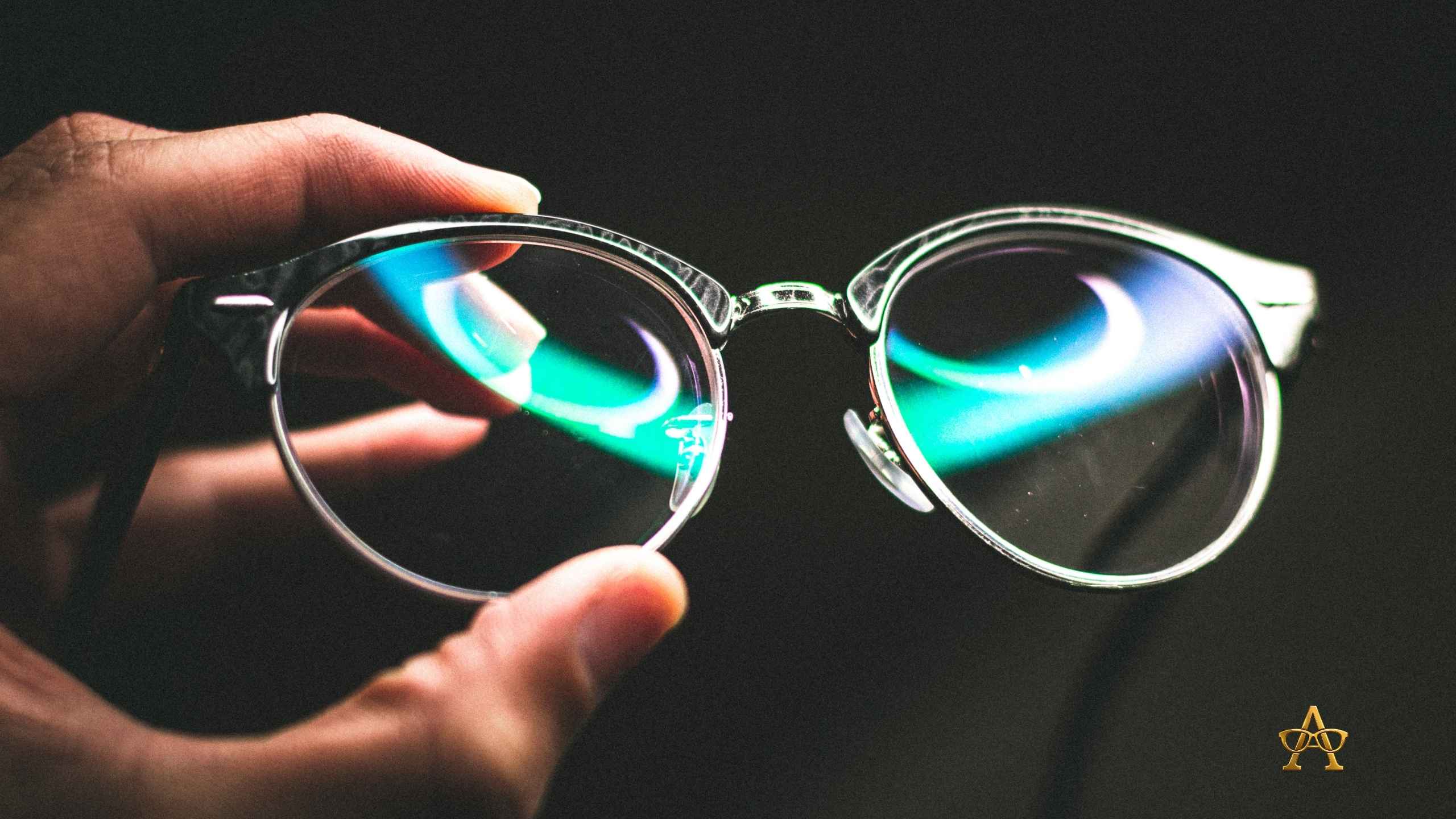
The frames you choose do more than hold your lenses in place. They determine how comfortable your glasses feel after eight hours of wear, how well they survive being tossed in a bag, and whether they still look as good in two years as they did on day one.
When selecting eyewear, the frame material can influence everything from how comfortable the glasses feel to how well they hold up over time. Despite its importance, this factor is frequently overlooked during the buying process. Most stores tell you the name of the material. Understanding what those materials mean in everyday use is just as important as knowing their names.
In this guide, we explore three widely used options in quality eyewear—acetate, titanium, and TR90—and look at how each performs in terms of comfort, durability, and versatility. This will help you choose a frame that works well with your prescription, daily routine, and price range.
What Is Acetate?
Acetate is a plant-derived material made primarily from cellulose, a natural fiber obtained from sources such as cotton. It has been the dominant frame material in the eyewear industry for decades, and for good reason: it offers a level of color richness and finish quality that no other material can match.
Acetate frames are cut and shaped from solid sheets of material, which means each pair has a depth and layering to its color that you simply cannot achieve with injected plastics. The tortoiseshell pattern on a quality acetate frame, for example, has actual visual depth — not a printed surface.
What Acetate Feels Like to Wear
Acetate is a medium-weight material — not the heaviest option, but noticeably more substantial than titanium or TR90. For most prescriptions and face shapes, the weight is perfectly comfortable. For stronger prescriptions that require thicker lenses, the added frame weight can become noticeable over long wear periods.
Acetate frames are adjustable by a trained optician using heat — the material becomes pliable when warmed, allowing precise temple and nose pad adjustments for a custom fit.
The Strengths of Acetate
- Richest color and pattern options of any frame material
- Premium feel and finish — the standard in designer eyewear
- Adjustable by heat for a precise, custom fit
- Hypoallergenic — a good option for people sensitive to metal
- Holds its shape well over time when properly cared for
The Limitations of Acetate
- Heavier than titanium or TR90 — can cause discomfort with strong prescriptions
- Less flexible than TR90 — can crack if bent forcefully
- Can warp in extreme heat (car dashboards, direct sun exposure)
- Higher price point than basic plastic frames
Who Acetate Is Best For
Acetate is the right choice if style and finish are your priority, if you have a mild to moderate prescription, and if you want a frame that looks as good as it performs. It’s the material behind most premium and designer frames on the market.
What Is Titanium?
Titanium is a metal alloy known for being exceptionally strong, extremely lightweight, and highly resistant to corrosion. In the eyewear world, it represents the premium end of the materials spectrum — and the price often reflects that.
Pure titanium frames are made from a single alloy with no added mixed metals. Some frames labeled “titanium” are actually titanium alloy or memory titanium — a variation that offers spring-like flexibility. Both are excellent options, though pure titanium is the most durable.
What Titanium Feels Like to Wear
Titanium frames are the lightest metal option available. Many wearers describe the experience as barely feeling the glasses on their face at all — which makes them a popular choice for people who wear glasses all day and struggle with end-of-day fatigue or pressure marks from nose pads.
Because titanium is so strong in proportion to its weight, frames can be made very thin without sacrificing structural integrity. The result is a sleek, minimal aesthetic that suits a wide range of face shapes.
The Strengths of Titanium
- Lightest metal frame option — significantly less fatigue over long wear periods
- Extremely durable — resists bending and corrosion better than any other common frame material
- Hypoallergenic — ideal for people with nickel allergies or sensitive skin
- Minimal, refined aesthetic — works especially well for professional and minimalist styles
- Memory titanium variants flex and return to shape, reducing breakage risk
The Limitations of Titanium
- Higher price point than acetate or TR90
- More limited color options — typically silver, gunmetal, gold, and matte tones
- Cannot be adjusted as easily as acetate — requires specific optician tools
- The minimal frame style may not suit everyone’s aesthetic preferences
Who Titanium Is Best For
Titanium is the right material if you prioritize comfort over long wear periods, have a strong prescription that requires heavier lenses (where a lighter frame helps balance the overall weight), have a nickel allergy, or prefer a clean and minimal frame profile.
What Is TR90?
TR90 is a thermoplastic material — a type of flexible, lightweight polymer that was originally developed for use in sports and outdoor equipment. In eyewear, it has become increasingly popular as a practical, affordable alternative to both acetate and metal.
TR90 frames are injection-molded, which allows for precise shaping and a wide range of color options, though typically without the depth and layering of acetate.TR90 stands out for its remarkable flexibility, allowing the frame to withstand considerable bending while maintaining its original shape without developing cracks or permanent distortion.
What TR90 Feels Like to Wear
TR90 frames are very lightweight — comparable to titanium in terms of overall weight. The flexibility of the material also means a more forgiving fit: TR90 frames adjust to slight pressure without the rigidity of acetate or metal.
For active wearers, children, or anyone who tends to be hard on their glasses, TR90 offers a significant durability advantage. The material’s ability to flex without breaking makes it unusually resistant to the kind of accidental damage that would crack an acetate frame or bend a metal one out of shape.
The Strengths of TR90
- Exceptionally flexible — resists cracking and snapping under pressure
- Very lightweight — comparable to titanium, significantly lighter than acetate
- Highly durable for active lifestyles, sports use, and travel
- More affordable than titanium, often less expensive than quality acetate
- Wide color availability through the injection molding process
The Limitations of TR90
- Color depth and finish do not match quality acetate
- Does not have the premium look or feel of acetate or titanium
- Less adjustable than acetate — heat adjustment is not as effective
- Less refined aesthetic — not ideal for formal or high-fashion contexts
Who TR90 Is Best For
TR90 is the right choice if you lead an active lifestyle, if your glasses take a beating on a regular basis, if you’re buying frames for a child, or if you want a lightweight everyday pair without the price of titanium.
Acetate vs. Titanium vs. TR90: Side-by-Side Comparison
A visual comparison of acetate, titanium, and TR90 based on key eyewear characteristics.
Which Frame Material Should You Choose?
The right answer depends on three factors: your prescription, your lifestyle, and your priorities.
Choose Acetate If:
- Style and color options are your top priority
- You have a mild to moderate prescription
- You want a premium feel and designer-level finish
- You wear your glasses in everyday, predictable environments
Choose Titanium If:
- You wear glasses all day and want to minimize fatigue
- You have a stronger prescription and need to offset lens weight
- You have a nickel allergy or sensitive skin
- You prefer a minimal, refined aesthetic and are willing to invest in quality
Choose TR90 If:
- You lead an active lifestyle or are frequently on the move
- You’re buying glasses for a child or for someone hard on their frames
- You want a lightweight, durable pair at an accessible price
- Durability matters more to you than premium finish
How Your Prescription Affects Material Choice
Your prescription strength can directly influence which frame material makes the most sense for you.
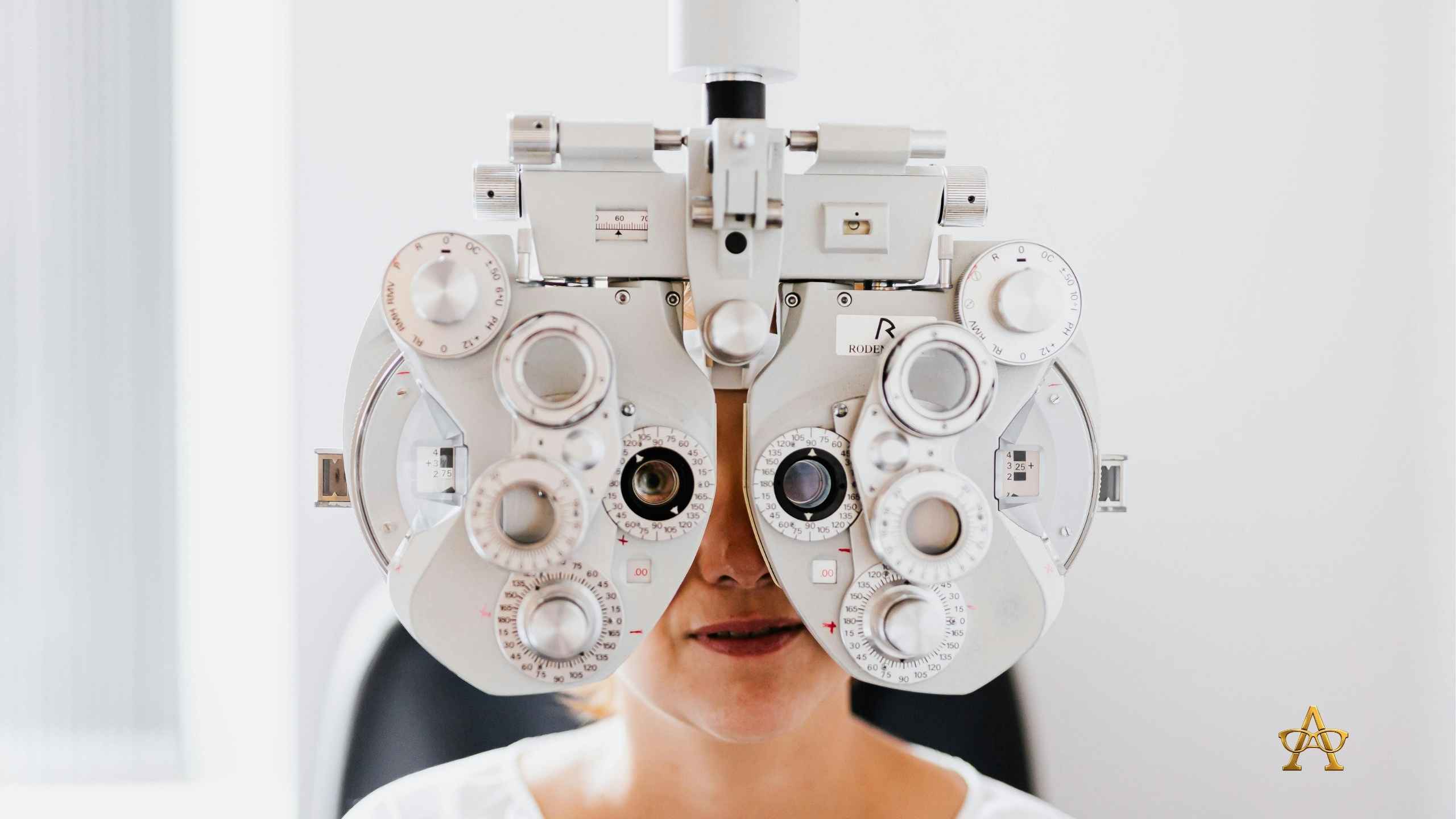
Stronger prescriptions — generally above ±4.00 in sphere power — require thicker lenses. Thicker lenses add weight to your frames. If you’re already dealing with heavier lenses, choosing a lighter frame material (titanium or TR90) helps counterbalance that weight and keeps overall comfort high.
Conversely, if your prescription is mild and your lenses will be thin, the weight difference between acetate and titanium becomes less significant — and you may prioritize style and finish over weight savings.
If you’re unsure how your prescription interacts with frame material choice, our team is happy to guide you before you order.
Before You Choose Your Frame Material
Are acetate frames durable enough for everyday use?
Yes. Acetate is a highly durable material for everyday use in normal conditions. It holds its shape well over time, resists minor impact, and maintains its finish with basic care. Its main vulnerability is to extreme heat and forceful bending. For most wearers in everyday environments, acetate is more than durable enough.
Is titanium worth the extra cost over acetate?
For certain wearers, absolutely. If you wear glasses all day and struggle with end-of-day discomfort, if you have a strong prescription with heavy lenses, or if you have a nickel allergy, the benefits of titanium — lighter weight, greater durability, hypoallergenic properties — directly improve your daily experience. If style and color variety matter most and your prescription is mild, quality acetate may serve you better at a lower price.
Can I get prescription lenses in TR90 frames?
Yes. TR90 frames can accommodate a wide range of prescription lenses, making them suitable for single-vision, progressive, and bifocal prescriptions alike. The frame’s flexibility does not affect lens installation or optical performance. TR90 is a popular choice for prescription eyewear, especially for active wearers.
Which frame material is best for strong prescriptions?
For strong prescriptions (generally above ±4.00), titanium or TR90 are typically the better choice because their lighter weight helps balance the added weight of thicker prescription lenses. Smaller frame dimensions also help minimize lens thickness regardless of material.
Are all three materials hypoallergenic?
Acetate and TR90 are both hypoallergenic plastics that do not contain nickel. Pure titanium is also hypoallergenic and is the preferred material for people with known metal allergies. Frames labeled simply ‘metal’ may contain nickel alloys — always check the material specifications if you have a sensitivity.
Ready to Find Your Frame?
Explore our full collection of acetate, titanium, and TR90 frames — all available with prescription lenses and virtual try-on.
Try On From Home!